Hamilton Grange National Monument
One-time home of Alexander Hamilton in Upper Manhattan
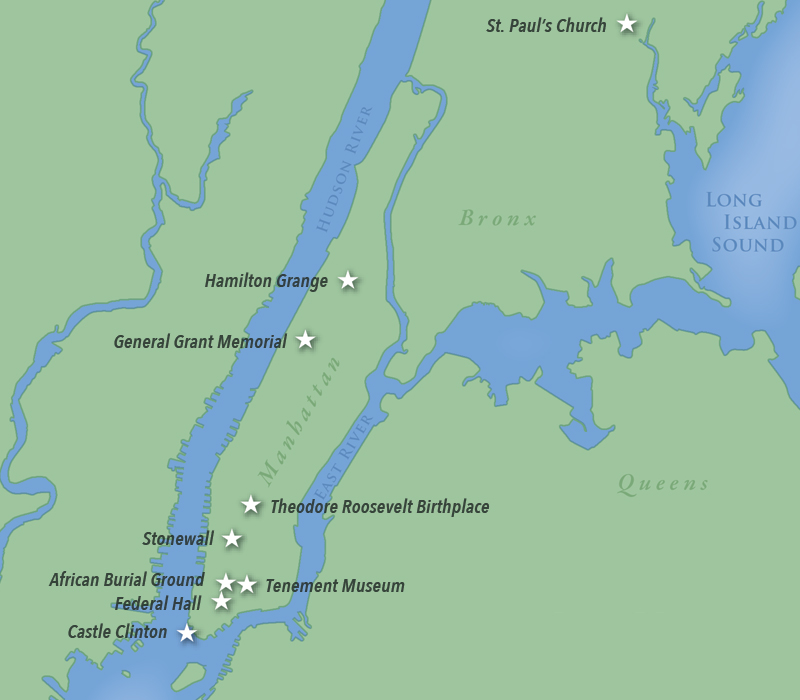
Closed to the public until 2009 while it undergoes extensive restoration, Hamilton Grange is the former home of Alexander Hamilton. The Grange has recently been moved to a new location in St. Nicholas Park. This move was the second for the building, which was first moved in 1889 after the Hamilton family sold the estate. Now that it has been transplanted to the park, the house will be restored to its former glory and visitors will be able to a get a clearer understanding of the regal country home of one the nation's most famous statesmen.
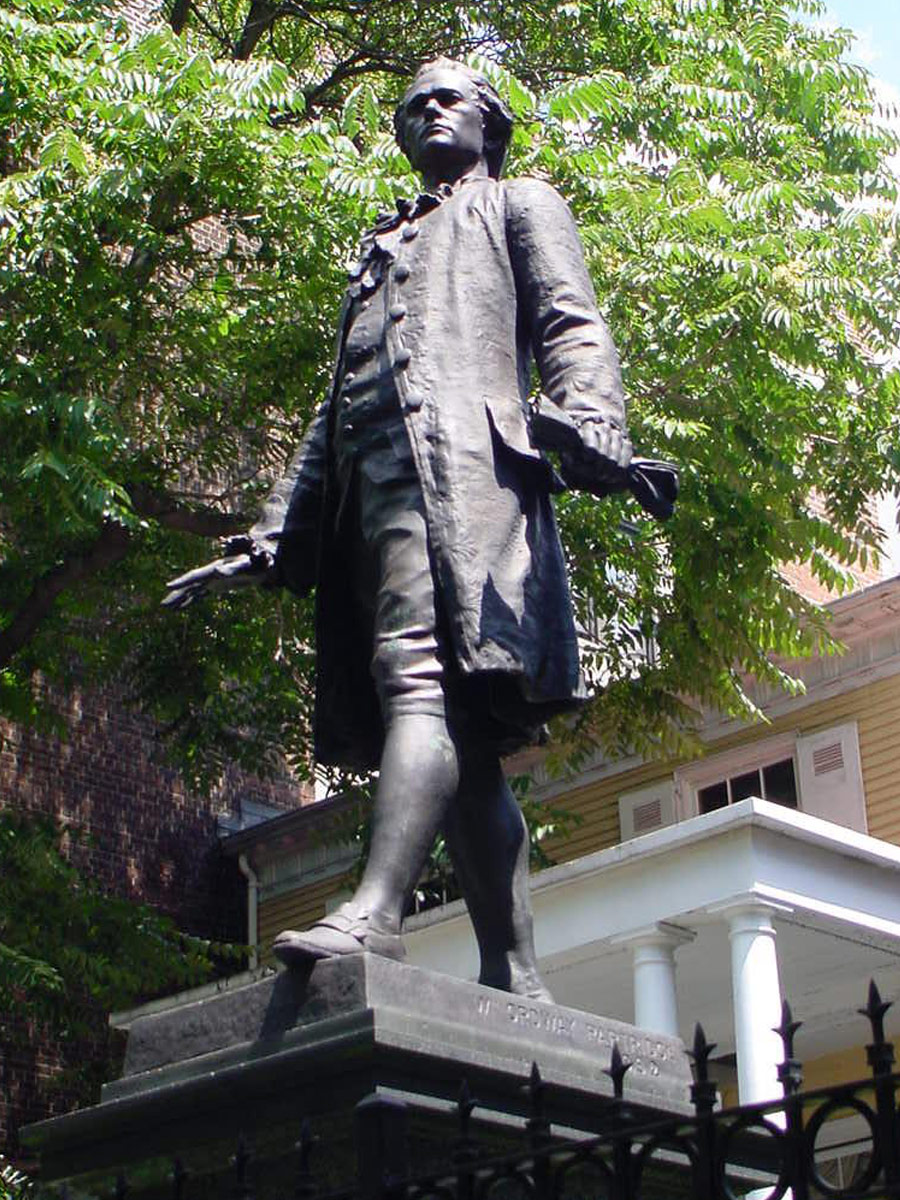
Born in the West Indies without wealth or status, Alexander Hamilton became one of the most powerful men in America. As a teenager, he ventured to New York City to attend Kings College (now known as Columbia), and Hamilton was quickly swept up in the passions of the Revolution. As a primary creator of the Federalist Papers, Hamilton's writing contributed to the development of political parties and the emergence of the nation's strong central government. Alexander Hamilton joined President Washington's cabinet as the first U.S. Secretary of the Treasury in 1789. In this role, he created the financial foundation of the United States by forming the national bank and establishing the financial integrity of the young nation. After leaving public office, Hamilton continued to support the Federalist Party and also continued his intense political rivalry with Aaron Burr. Their hostilities ultimately led to the infamous duel between the two men in 1804 which killed Hamilton.
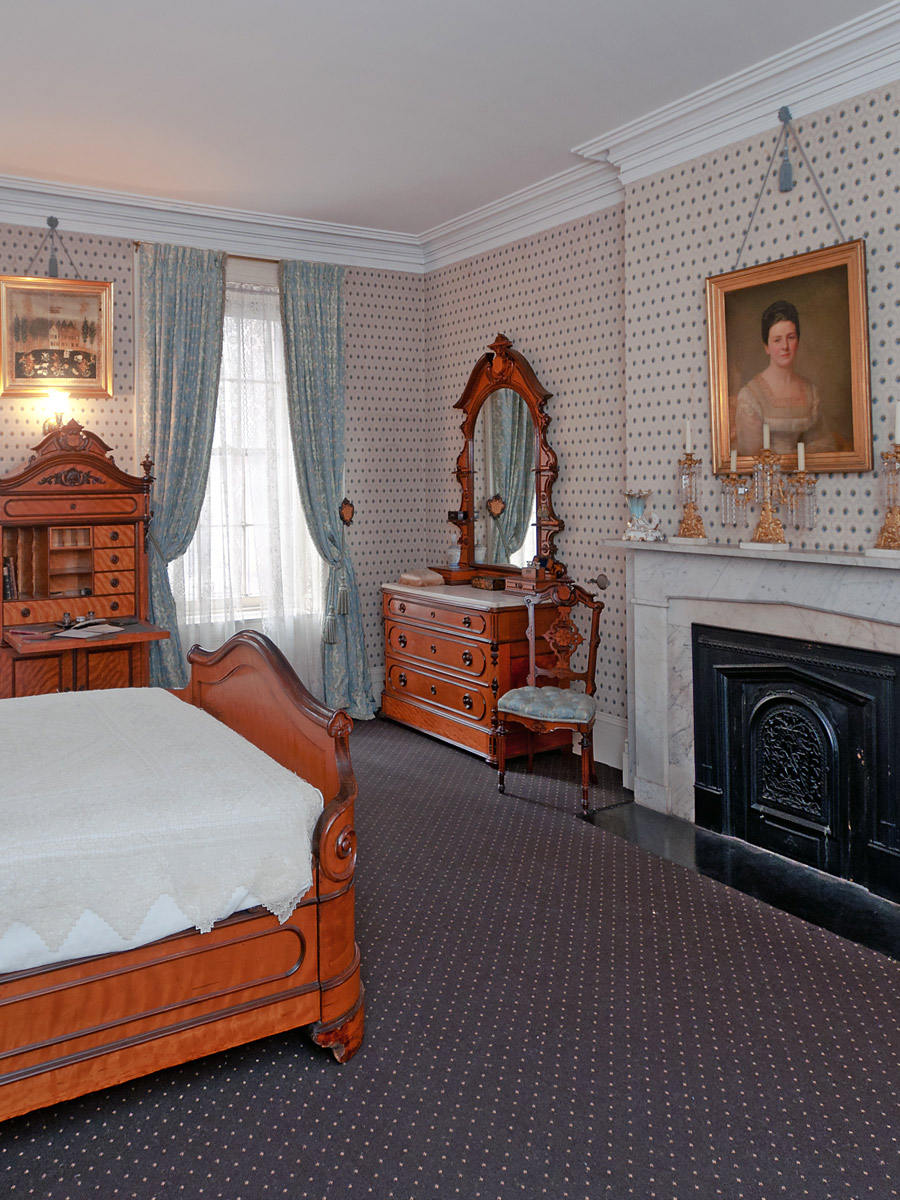
Completed in 1802, Hamilton Grange originally stood a short distance northwest of its present location. It was designed by John McComb, Jr., known more famously as one of the designers of New York's City Hall. Named "The Grange" after Hamilton's ancestral home in Scotland, the house became a symbol of the affluence and dignity which Hamilton sought throughout his life. It was the only home he ever owned. "The Grange" is a very early example of domestic Federal style architecture, and features an octagonal parlor and dining room as well as an unusual mirrored interior. Once it is reopened to the public, visitors will be able to tour this beautifully restored home and get a sense of the life of one the America's most important early leaders and a framer of the ideals of this nation.