Governors Island imagery

Governors Island

A 172-acre island -- and former military base -- nestled between Manhattan and Brooklyn

THINGS TO DO
  • Special August 2008 Events: See Civil War reenactments August 8th and 9th and attend Revolutionary War programs led by National Park Service Rangers the weekend of August 22nd.
  • Take a Ranger-led tour Wednesdays and Thursdays, at 10:00 am or 1:00 pm and Friday through Sunday at 10:25am, 11:25am, 12:25pm, 1:25pm, 2:25pm or 3:25pm. (Beginning May 31st.)
  • Enjoy a one-mile bike loop or tram ride with your family.
  • Relax on the landscaped green at Nolan Park.
  • Catch spectacular views of the Manhattan and Brooklyn skylines, the Statue of Liberty, Ellis Island and Brooklyn Bridge.
  • Special August 2008 Events: See Civil War reenactments August 8th and 9th and attend Revolutionary War programs led by National Park Service Rangers the weekend of August 22nd.

For all ages; handicapped-accessible.

The oldest European settlement in New York, this former military base and US Coast Guard station is open to the public on a seasonal basis beginning on May 31st, 2008. A seven minute FREE ferry ride from the Battery Maritime Building in Lower Manhattan will get you there.

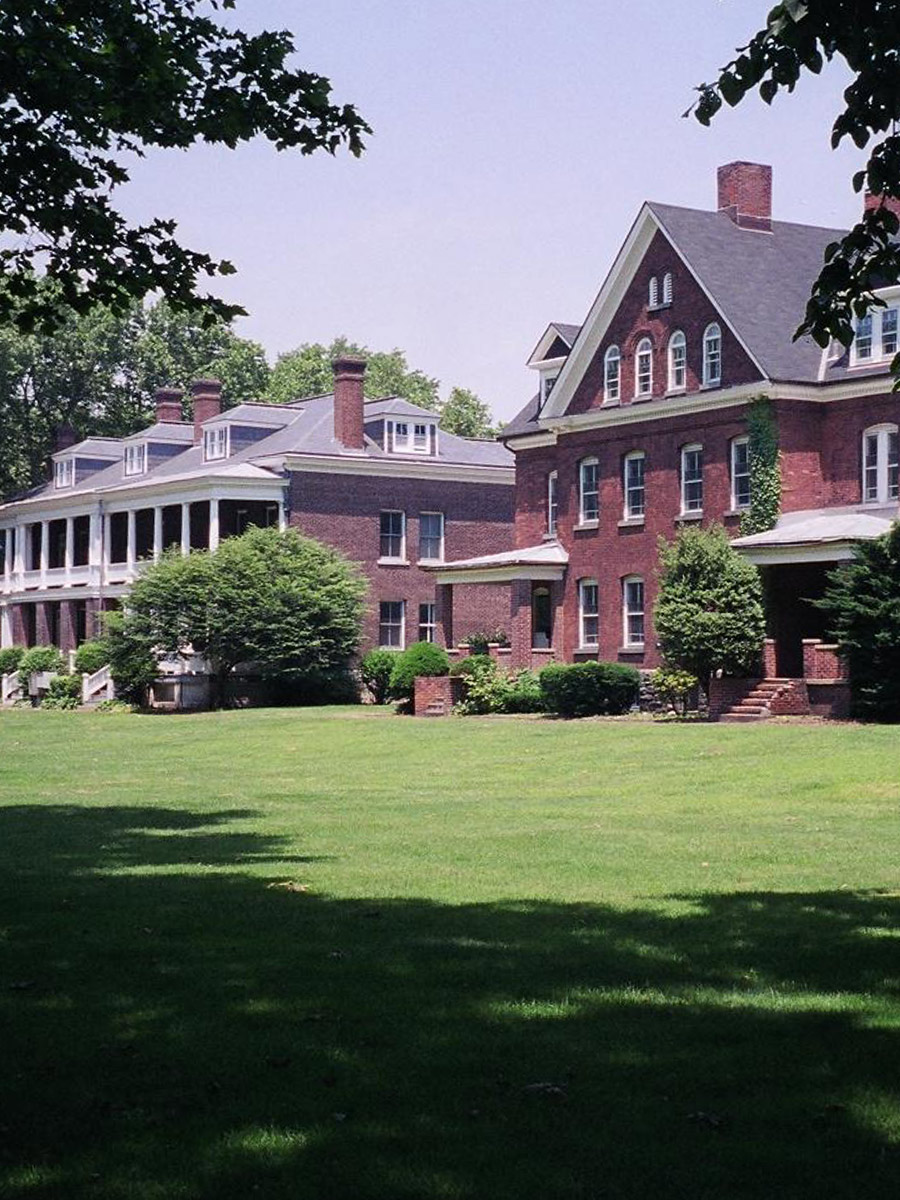
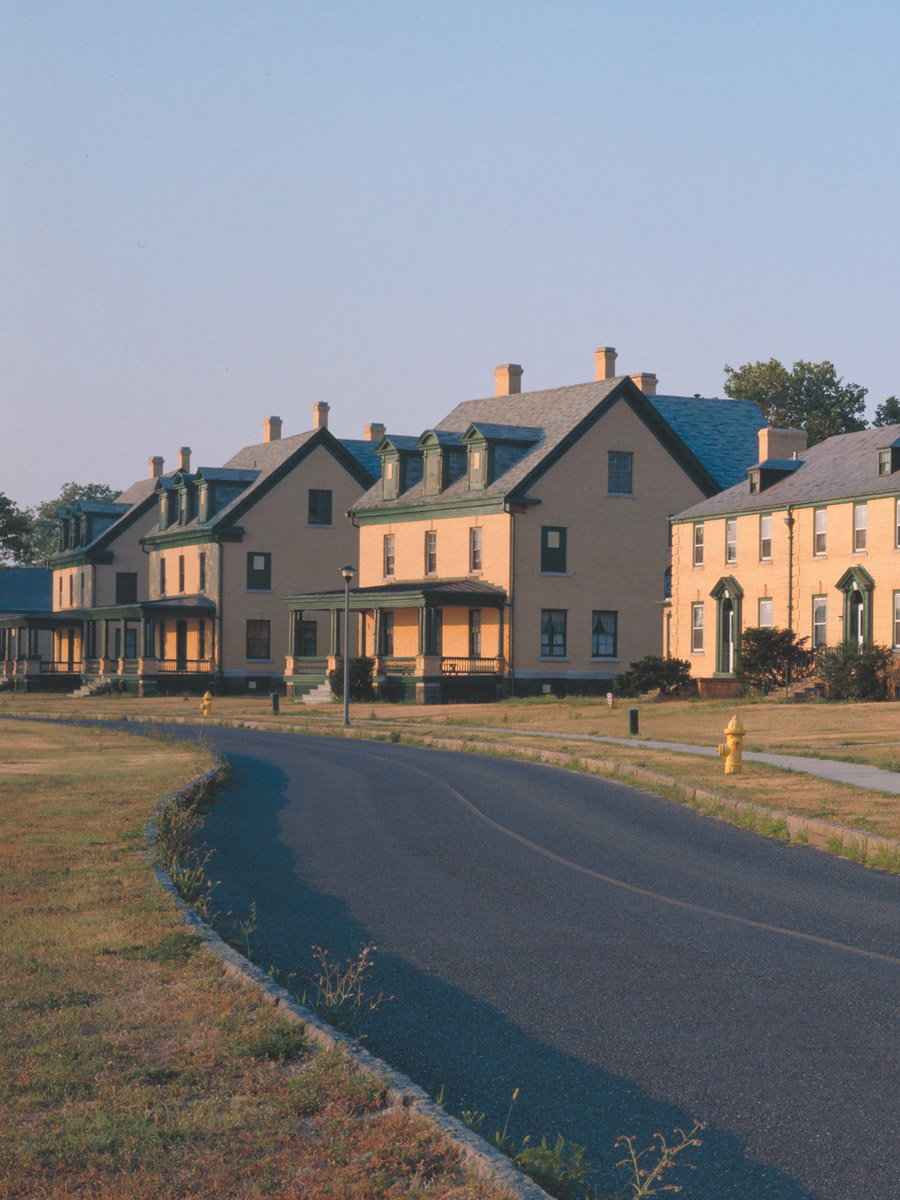
Management of Governors Island is shared by the National Park Service and the Governors Island Preservation and Education Corporation (GIPEC). NPS maintains the Historic District of the island which contains buildings dating from the 18th century and includes former homes of military officers and their families, two forts which acted as strategic defenses on the harbor, and a waterfront promenade that offers dramatic vistas of the city and skyline.

THE FORTS

Castle Williams was designed and erected between 1807 and 1811 under Colonel Jonathan Williams, Chief Engineer of the U.S. Army Corps of Engineers and the first Superintendent of West Point. A casemated battery, Castle Williams is the best prototype of its kind and is one of only three such castles still standing. (The others are Castle Clinton and Fort Hinkey in South Carolina). Considered by some the Alcatraz of the East Coast, Castle Williams served as a prison for Confederate soldiers from 1862 to 1866. After the Civil War, it became a low-security military prison and then in 1903, it was re-fitted as a model, state-of-the-art U.S. Army prison and disciplinary barracks. The U.S. Army ceased operations there in 1966 and turned the island over to the Coast Guard, which closed its facilities on the island in 1996.

Fort Jay formed a part of New York's inner harbor defensive system that included Castle Clinton, Fort Gibson (Ellis Island) and Fort Wood (Liberty Island). Fort Jay remains among the best-preserved dry-moat and earthen- covered wall fortifications in the country. The Star-shaped fort was first completed in 1798, and was named after John Jay the first Chief Justice, and a former New York State Governor. The fort was rebuilt during the first decade of the 19th Century. Completed in 1808, it was renamed Fort Columbus. The change in name has been attributed to public dissatisfaction with a treaty Jay had negotiated with England in the last decade of the 18th Century. The original name, Fort Jay, was restored in 1904.