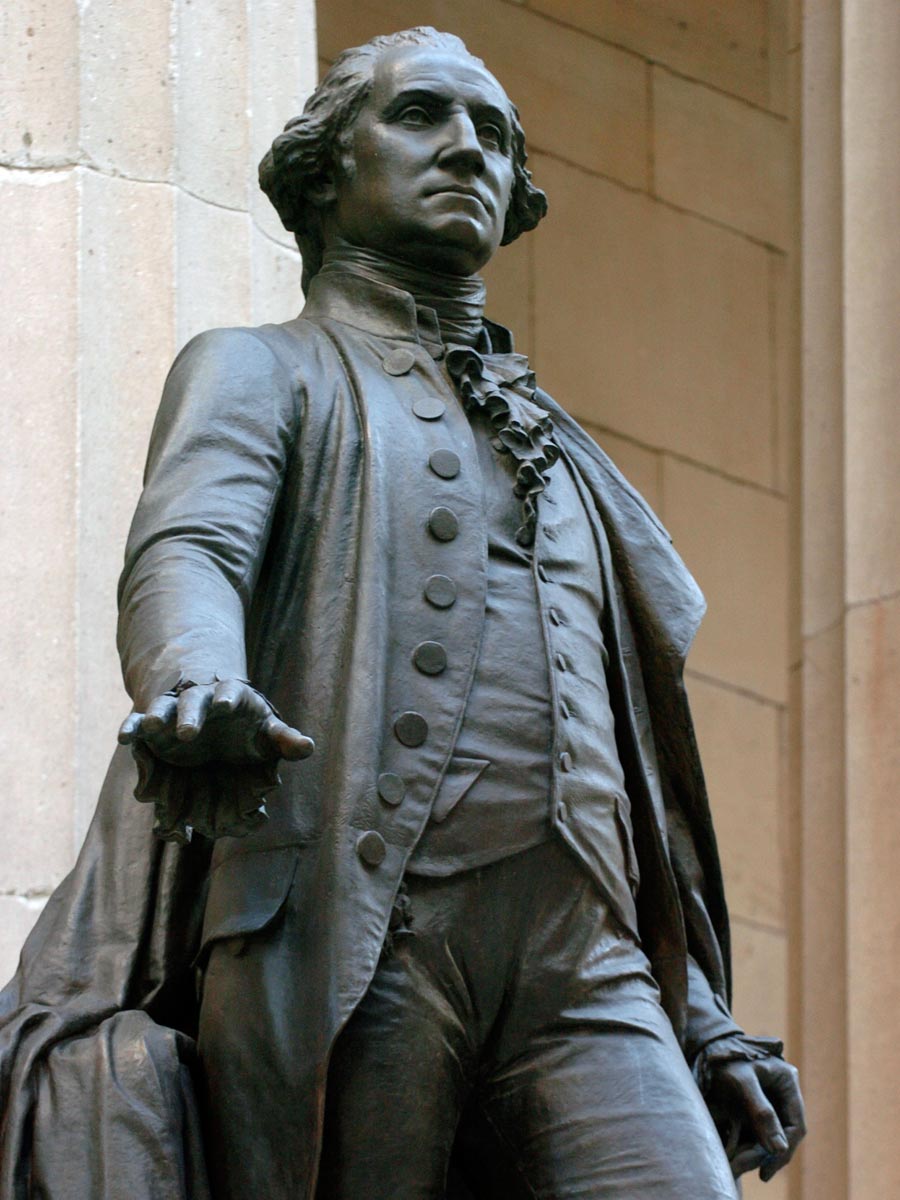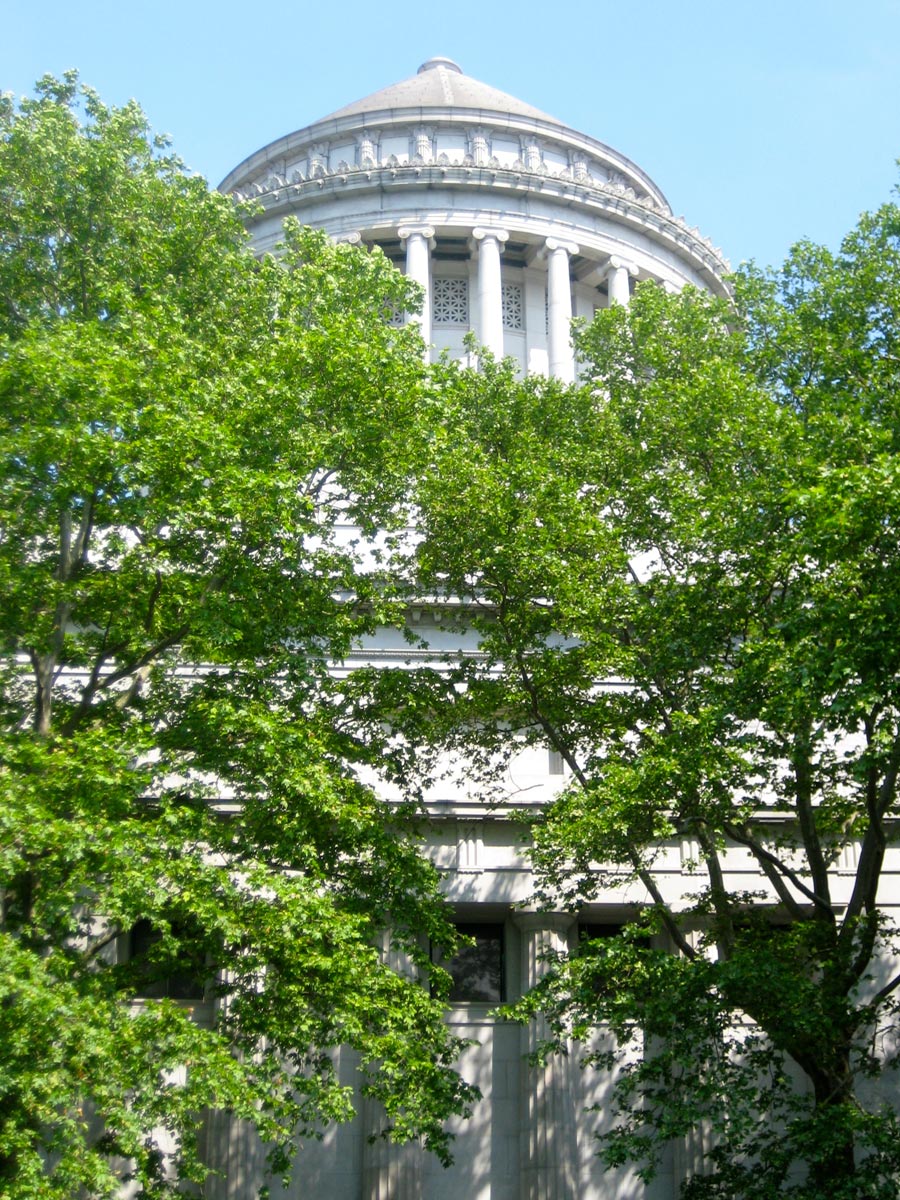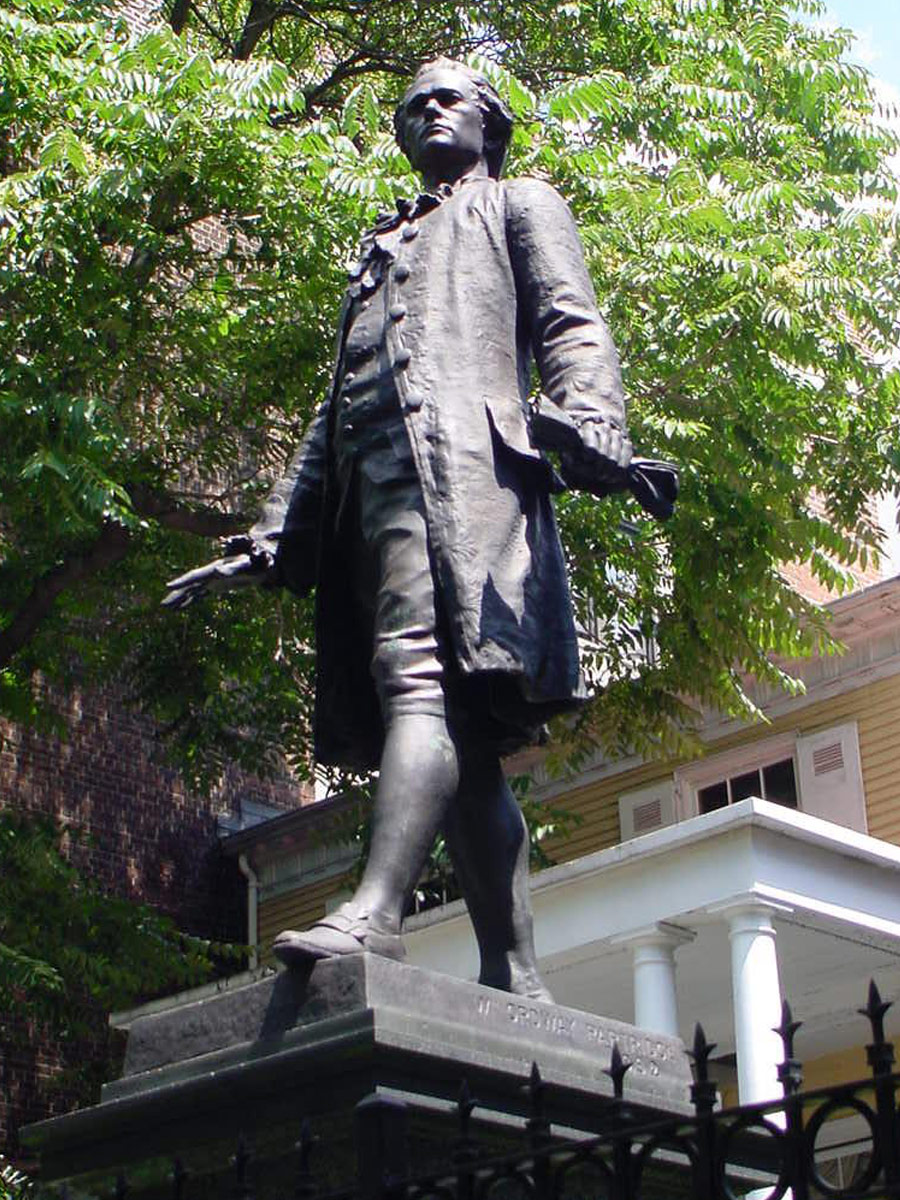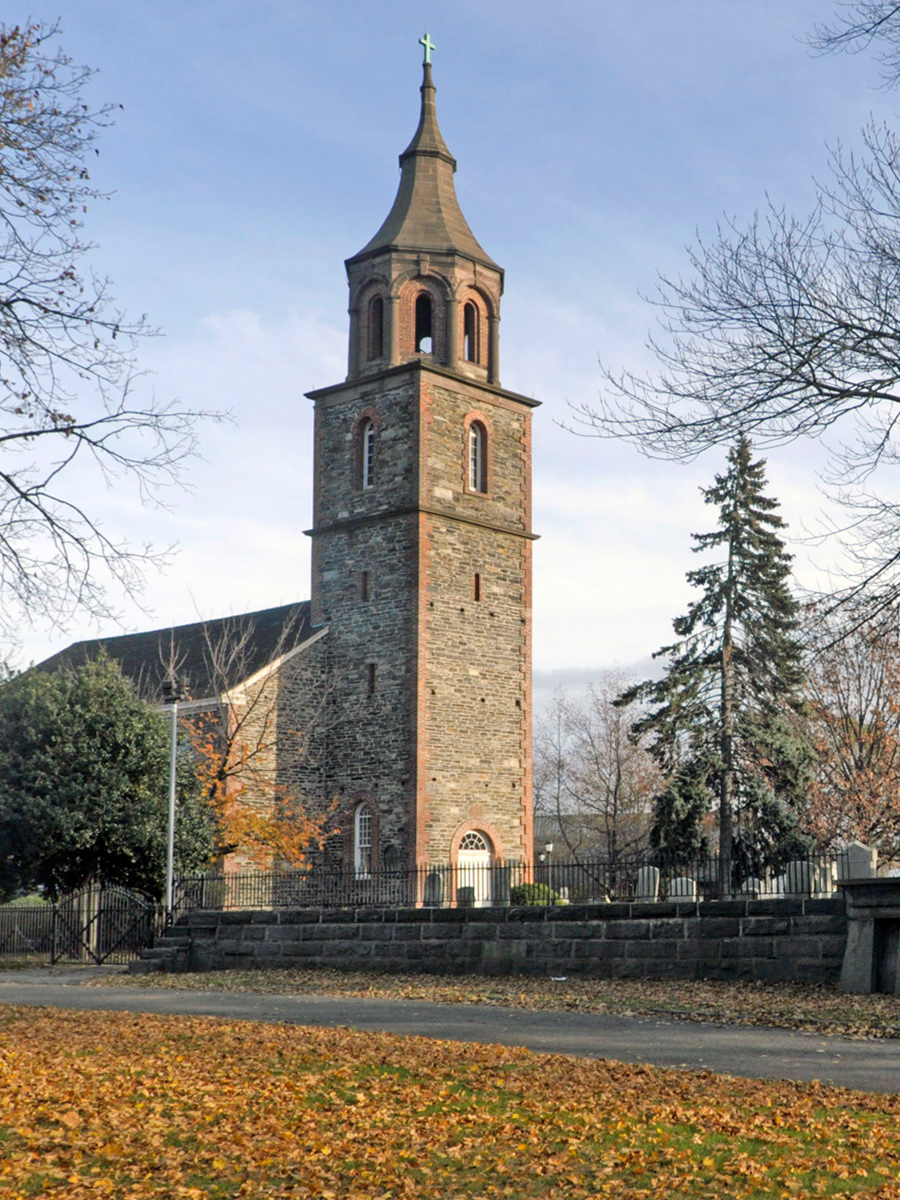
Federal Hall imagery

Federal Hall National Memorial

Our nation's first Capitol -- in the heart of the Financial District

THINGS TO DO
  • Get information and trip-planning help from National Park Rangers and NYC&Co at the Visitor Center.
  • See George Washington's bible and the NARA exhibit.
  • Take a tour of Federal Hall with a National Park Ranger.
  • Attend costumed and other interpretive programs depicting the era of the American Revolution.
  • Come to the annual reenactment of Washington's inauguration on April 30th.

The Declaration's Principal Villain

On July 9, 1776, the news of the thirteen colonies' declaration of independence from the British reached New York City. By order of General Washington, the powerful polemic in favor of American nationhood was read aloud throughout the nation and in the Commons, now City Hall Park. Throngs of patriots stormed Bowling Green, tearing down a statue of King George III. A few days later, thousands assembled outside the colonial City Hall on the site of today's Federal Hall. As the Declaration was read, the King's coat of arms was brought out of the building and burned.

Visitor Center

Visitors at the Gateway to America exhibit at the Federal Hall Visitor Center

The first capitol of the United States from 1789 to 1790, Federal Hall is the site where the first United States Congress met, George Washington was inaugurated President in 1789, and the Bill of Rights was passed.

THE VISITOR CENTER
Located in the Northwest Gallery of Federal Hall, the Visitor Center is part of a vibrant 1,500-square-foot exhibit, called Gateway to America - Discover New York Harbor, which tells the story of the harbor through the lens of U.S. history, immigration, commerce, defense and the environment. Open Monday through Friday, the Visitor Center is jointly staffed by National Park Service Rangers and NYC & Company guides, who will help you plan an exciting itinerary to National Parks and other sites of interest, downtown and in the harbor. Brochures describing most major tours and attractions and maps of walking tours are also available.

HISTORY AND ARCHITECTURE

Prior to serving as the nation's capitol, Federal Hall was New York's City Hall (from 1703). In 1735, it was the location of the trial of printer John Peter Zenger, whose acquittal on the charge of libel was a precedent-setting case for "freedom of the press." In 1765, the Stamp Act Congress met at Federal Hall to protest "taxation without representation."

A part of the Wall Street Historic District, from 1842 to the 1920s Federal Hall served as a U.S. Customs House and then a U.S. Sub-treasury. As world trade grew and America expanded Westward, loans from Federal Hall financed ailroads and shipping companies. The building was designated a national historic site in 1939 and NPS was given management authority in 1955.

The original Federal Hall building was demolished in 1812. Construction on the current building took place from 1835 to 1842 under the supervision of the sculptor John Frazee. The buidling was designed in the Classical Revival style by leading New York architects Ithiel Town and Alexander Jackson Davis.