Ellis IslandThe portal to America for 12 million immigrants from 1892 to 1924
THINGS TO DO
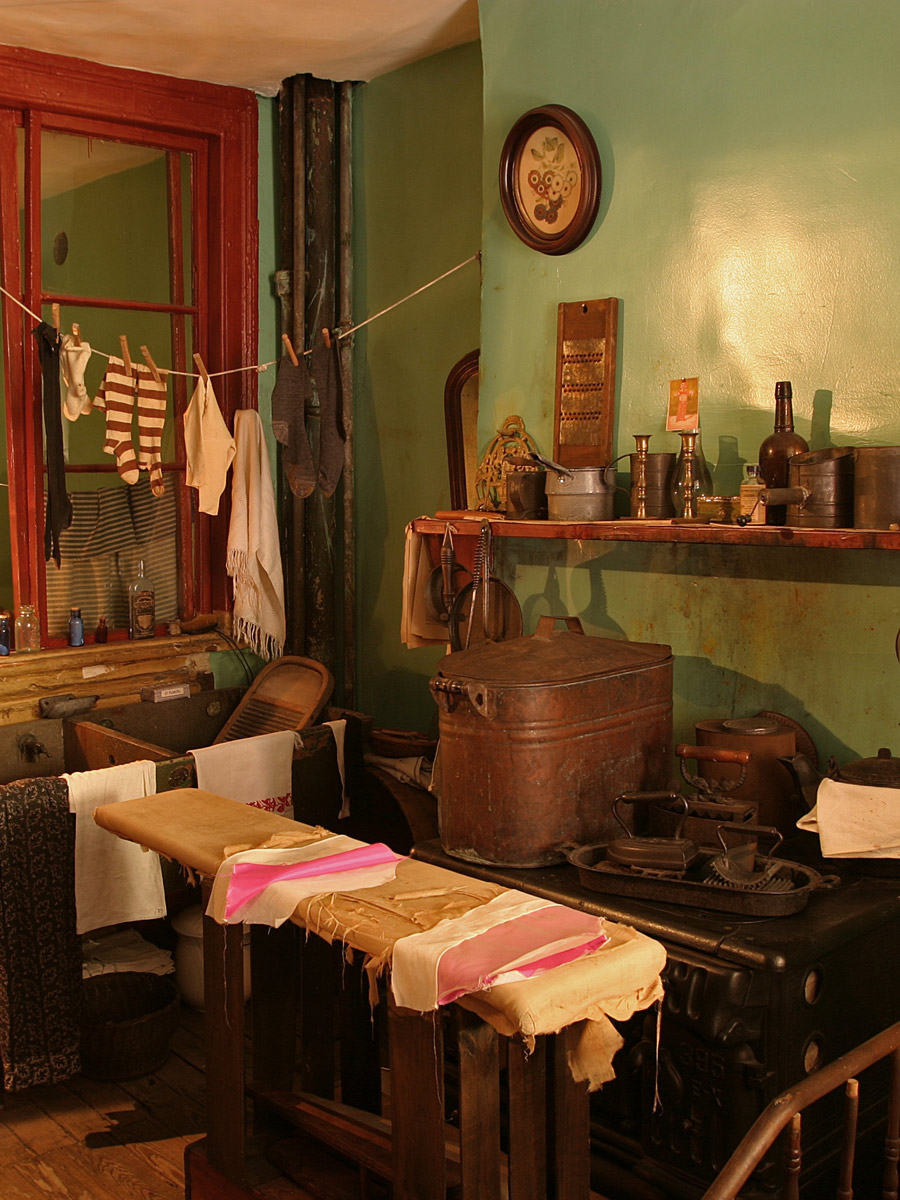
ACTIVITIES: The American Family Immigration Center provides an electronic database of records for 25 million immigrants, crewmembers, and passengers who entered through the port of New York and Ellis Island. These records can be accessed from the Center's computer terminals or through the Statue of Liberty and Ellis Island Foundation's website. Also available to visitors are audio recordings of immigrants, Ellis Island officials, and crewmembers. EXHIBITS: The Ellis Island Immigration Museum features three floors of exhibits that investigate the history of the island, past and present immigration, and the restoration of the main building. See the treasures from home brought over by immigrants, a fully restored dormitory room, and accounts of what the immigration process was like. Explore American immigration over 400 years through The Peopling of America exhibit. This exhibit explores the past and ongoing trends of immigration in America, and investigates our nation's origins. The American Immigrant Wall of Honor is located on the grounds outside of the main building. Through donations over 600,000 names of individuals and families have been inscribed into the wall as a tribute to immigrants. TOURS: The museum is designed to be a self guided experience, and brochures are available to help visitors navigate the exhibits at their own pace. National Park Service Ranger led tours are available free of charge at regular intervals throughout the day. Allow about 45 minutes.
Over 40 percent of Americans can trace their lineage through the Ellis Island Immigration Station. After closing in 1954, the facilities on Ellis Island remained vacant until 1990 when the Island reopened to house a museum telling the story of immigration.
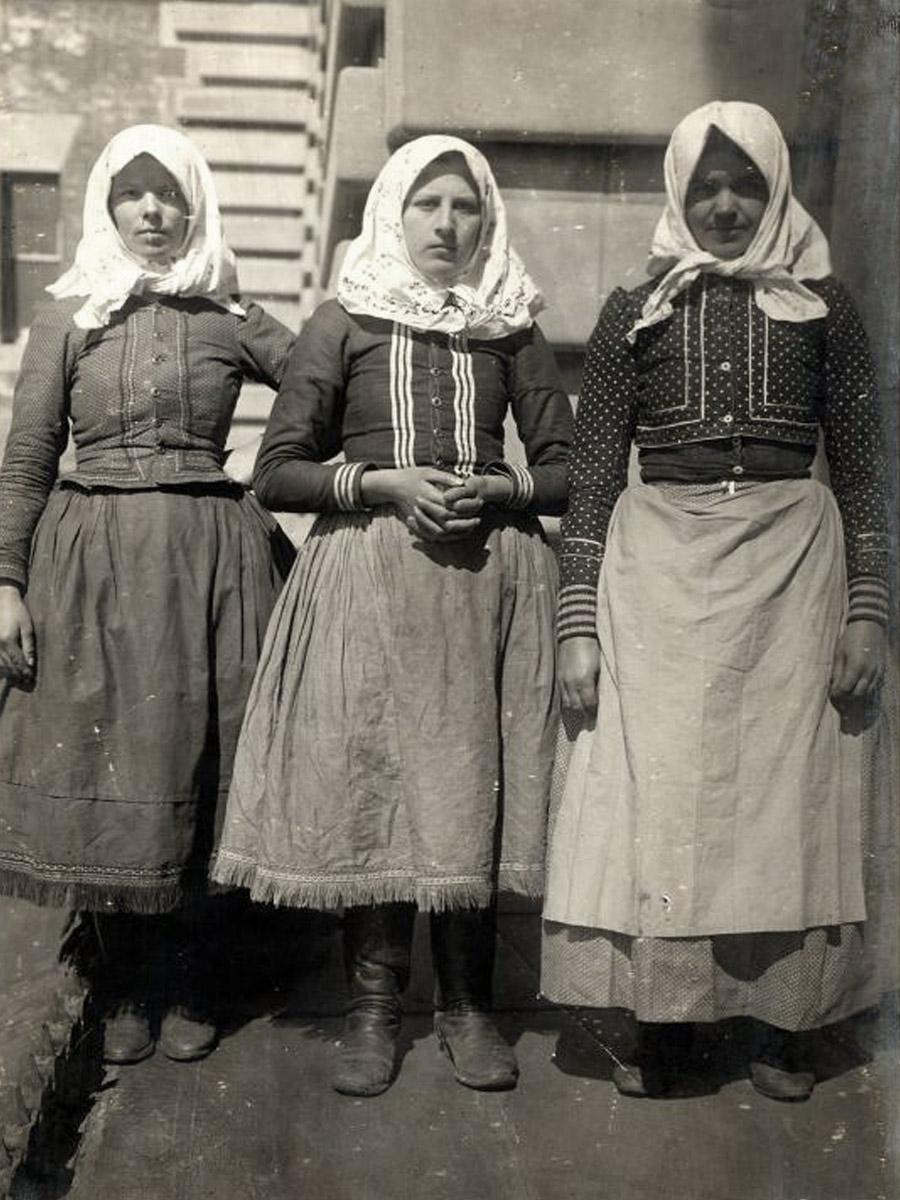
The Ellis Island Immigration Museum is dedicated to the individuals who made the long voyage in search of the American dream. The exhibits express the hopes and experiences of the millions of families who made their way to New York Harbor, and help convey the impact these immigrants have had on our country. A visit to the Immigration Museum includes a delightful ferry ride across New York Harbor from either Lower Manhattan or New Jersey and can easily be combined with a stop at the Statue of Liberty. Originally an island of about 3 acres, Ellis was enlarged to 27.5 acres by landfill primarily acquired from the massive construction project of the New York City subway system as well as ballast from ships that sailed into the harbor. The expansion of the island's size was so costly, that the remaining budget only permitted a wooden structure to be built for the processing of immigrants. This wooden building opened in 1892 and then burned to the ground only five years later. Rebuilt with masonry, the main building which stands today opened on January 1, 1900. Other buildings included a 750-bed hospital, a contagious disease ward and a ferry terminal that dates from the 1930s. More than twelve million immigrants passed through Ellis Island, the majority from Eastern Europe and Italy. The largest single day of immigration occurred on April 17, 1907, when 11,741 immigrants were processed. While most immigrants would be granted access to America, an unfortunate 2% would be sent back to their port of origin due to health problems or lack of finances. Immigration declined during World War I and during the years after. By the 1920s, U.S. consulates overseas took over immigration inspections to control the quota process more effectively and ensure that individuals would not make the long journey to America only to be turned away. From the 1920s until it closed in 1954, Ellis Island served as deportation center, Public Health Service Hospital and Coast Guard station. Currently, the main building houses the Immigration Museum. A 30 minute film "Island of Hope, Island of Fears" introduces visitors to Ellis Island and the immigrant experience. Museum exhibits occupy three floors and display possessions that immigrants brought from their homelands, baggage used on the voyage to America, information on famous immigrants, and historic photographs, newspaper clippings, political cartoons and other commentary on the history of Ellis Island and immigration. Also housed in the main building is the American Family Immigration History Center, a research facility open to the public that contains the records of the more then 25 million immigrants, passengers, and crew members who entered the Port of New York and Ellis Island between 1892 and 1924. |